
Wondering which laminating machine is right for your office? Laminating protects important documents like certificates, menus, ID cards, and training materials from wear, spills, and mishandling, providing a professional durable finish. For offices in Kuala Lumpur and Klang Valley regions, picking the right laminator can boost efficiency, reduce costly document replacements, and enhance your professional image.
✅ Practical Tips for Buying a Laminating Machine in Malaysia Offices
Before adding a laminating machine to your office equipment, here are key factors to consider to ensure you get the right model for your needs and budget:
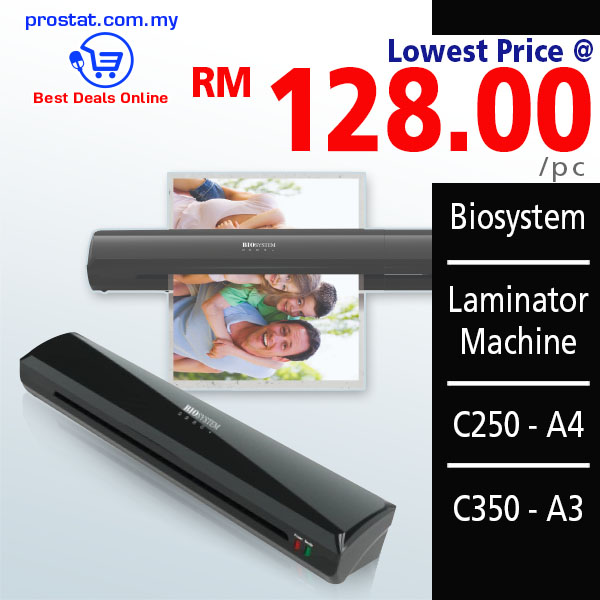
- ✔ Type of Laminator: There are primarily pouch laminators which use pre-sized plastic pouches for small to medium volume lamination, and roll laminators designed for continuous use and larger media sizes. For most Malaysian offices, pouch laminators are sufficient, but consider higher volume needs carefully.
- ✔ Document Size Capacity: Confirm the maximum width of documents your laminator can handle. A4 or letter-sized laminators suit general office needs, but if you print larger presentations or posters — common in corporate or educational sectors — an A3 laminator may be better.
- ✔ Warm-up Time: Laminating machines with faster warm-up times (under 5 minutes) help save valuable office time, especially in busy procurement or admin teams.
- ✔ Laminating Speed & Thickness: Faster machines process documents with less waiting time, beneficial for high-volume use. Check the maximum laminate thickness the machine can handle, typically ranging from 80 to 250 microns. Thicker pouches provide stronger protection but require more heat and slower speeds.
- ✔ Ease of Use & Maintenance: Features like jam release levers, adjustable temperature controls, and indicator lights improve daily operation and reduce downtime. Regular cleaning of rollers is essential in humid climates like Malaysia to prevent malfunctions.
📎 Types of Laminating Machines and Local Considerations in Malaysia
In Malaysia’s tropical climate, humidity and temperature fluctuations affect the quality and durability of laminated documents. Choosing machines with adjustable temperature controls allows you to adapt settings to local conditions, keeping lamination smooth without bubbling or warping.
Pouch laminators using heat-sealed plastic sheets are prevalent in offices across Klang Valley due to affordability and ease of use. For businesses requiring lamination of larger or continuous print materials—like menus, banners, or large reports—roll laminators, while initially more costly, offer greater volume capacity and consistent results.
Energy efficiency is worth noting: models with quicker warm-up and auto-shutdown help control power use in air-conditioned offices in Kuala Lumpur and Petaling Jaya, which face higher electricity costs.
🎯 Who Benefits Most from Laminating Machines in Malaysian Offices?
Understanding which organisations gain value helps procurement make informed purchasing decisions:

- ✔ Corporate Offices & Businesses: For protecting frequently referenced reports, ID cards, training documents, and signage that endure regular handling across regions like Shah Alam and Petaling Jaya.
- ✔ Schools & Training Centres: Essential for preserving teaching aids, student certificates, maps, and artwork against classroom wear and tear.
- ✔ Government & Administrative Agencies: For guaranteeing the longevity of official documents and notices, especially in Malaysia’s humid environment.
- ✔ Retailers & Restaurants: Laminated menus, invoices, and promotional materials resist spills and extend usage.
✔ Frequently Asked Questions
What is the difference between pouch and roll laminators?
Pouch laminators use pre-sized sealed plastic pouches that encapsulate documents, ideal for occasional or small batch lamination up to sizes like A4 or A3. Roll laminators handle continuous media from rolls and are built for higher volume or large format lamination, suitable for businesses with frequent lamination needs.
How do I choose the right laminating pouch thickness?
Laminating pouches come in varying thicknesses measured in microns, with common office use ranging from 80 to 125 microns. Thicker pouches (150 microns and above) provide more protection but require compatible machines and slower speeds.
Are laminating machines suitable for humid Malaysian conditions?
Yes, but it’s important to use laminators that offer adjustable temperature control to prevent bubbling or wrinkling caused by humidity. Proper maintenance, including cleaning rollers regularly, also ensures consistent quality.
What maintenance does a laminating machine require?
Regular cleaning of the rollers to remove adhesive residue and dust prevents jams and wear. Check the user manual for specific cleaning routines and keep the machine covered when not in use to avoid dust accumulation, especially in dusty environments of industrial zones around Klang.
Can laminating machines save money for offices?
Absolutely. Laminating important documents extends their lifespan, reducing frequent reprints and material wastage. It also enhances the professional appearance of documents, which is beneficial when dealing with clients or stakeholders.
For Malaysian offices in Klang Valley and Kuala Lumpur, Prostat offers a trusted selection of laminating machines alongside other essential office automation equipment designed to improve productivity. Be sure to also explore our Binding Machine Supplier Malaysia Offices: Expert Buying Guide 📚✅ for complementary document finishing needs and our broad range of Automation Office Equipment for efficient office operations.
Choosing the right laminating machine tailored to your document size, volume, and local office conditions will enhance document longevity and streamline your workflow in Malaysian offices.
